Project Overview
This exclusive investment project presents a tourist complex in the renowned wine region of Goriška Brda in western Slovenia. The concept combines a dispersed hotel model with wine tourism, wellness and an authentic cultural experience.
Location
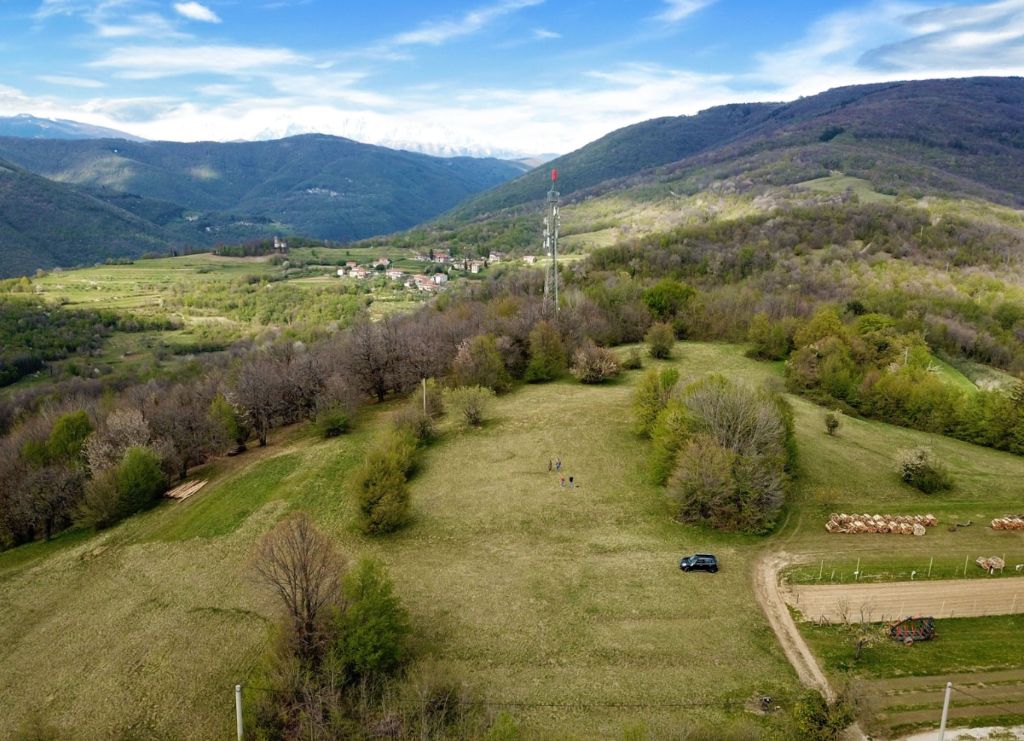
Vrhovlje pri Kožbani, Goriška Brda, western Slovenia
Land Plot Area
14,426 m² total area: 7,921 m² for development and 6,505 m² for parkland
Investment
Land price: €1.5 million
Total investment: €4–5 million
Yield
Approximately 10% annual return on invested capital
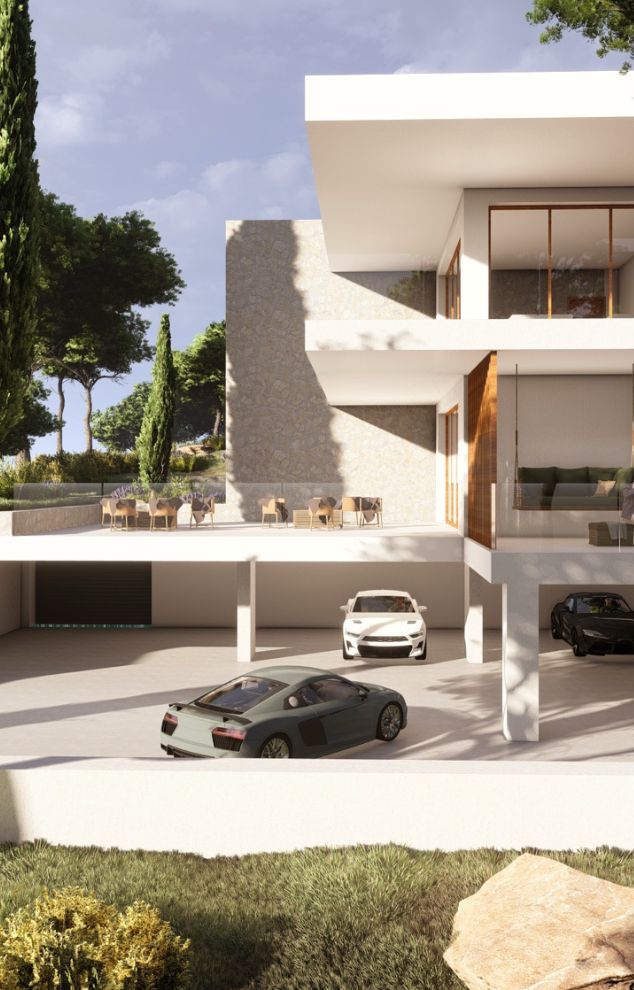
Conceptual visualization of the tourist complex
Key Features
- 20 rooms of 50 m² each
- Restaurant of 250 m² with traditional and contemporary cuisine
- Conference hall of 104 m² for events and seminars
- Wellness centre of 113 m² with saunas and treatments
- Outdoor swimming pool overlooking the vineyards
- Multifunctional outdoor areas for events
Location and Surroundings
Map of vineyards and attractions in the Goriška Brda region
Exact Plot Location
Vrhovlje pri Kožbani, coordinates: 46.048339, 13.521279
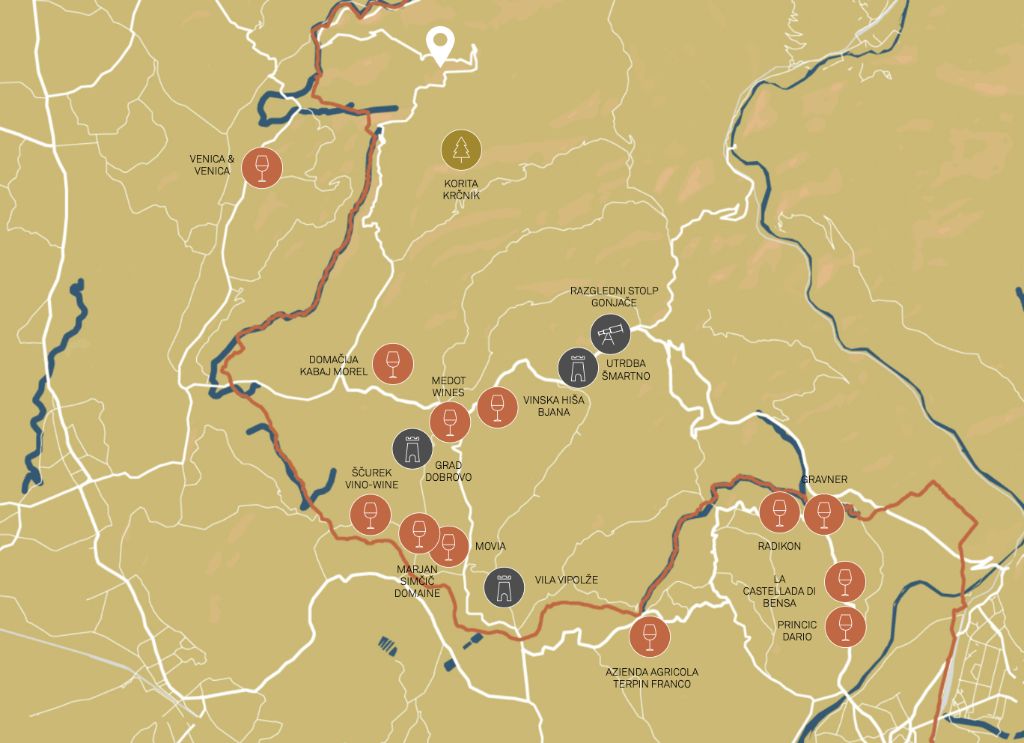
Location of the tourist complex
Strategic Location Advantages
Geographic Position
The location between the Alps and the Mediterranean creates a unique microclimate, ideal for viticulture and year-round tourism.
Transport Accessibility
• Trieste Airport, Italy — 35 km
• Venice Airport, Italy — 140 km
• Nova Gorica — 28 km
• Ljubljana — 130 km
Climate Conditions
Mild winters and warm summers provide strong conditions for year-round tourism. Average summer temperature is around +25°C, while winter averages around +5°C.
Why Goriška Brda?
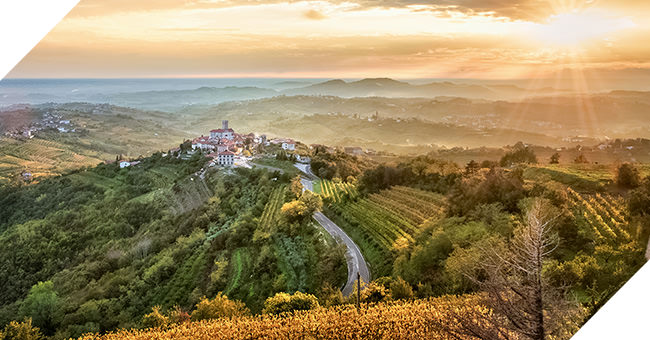
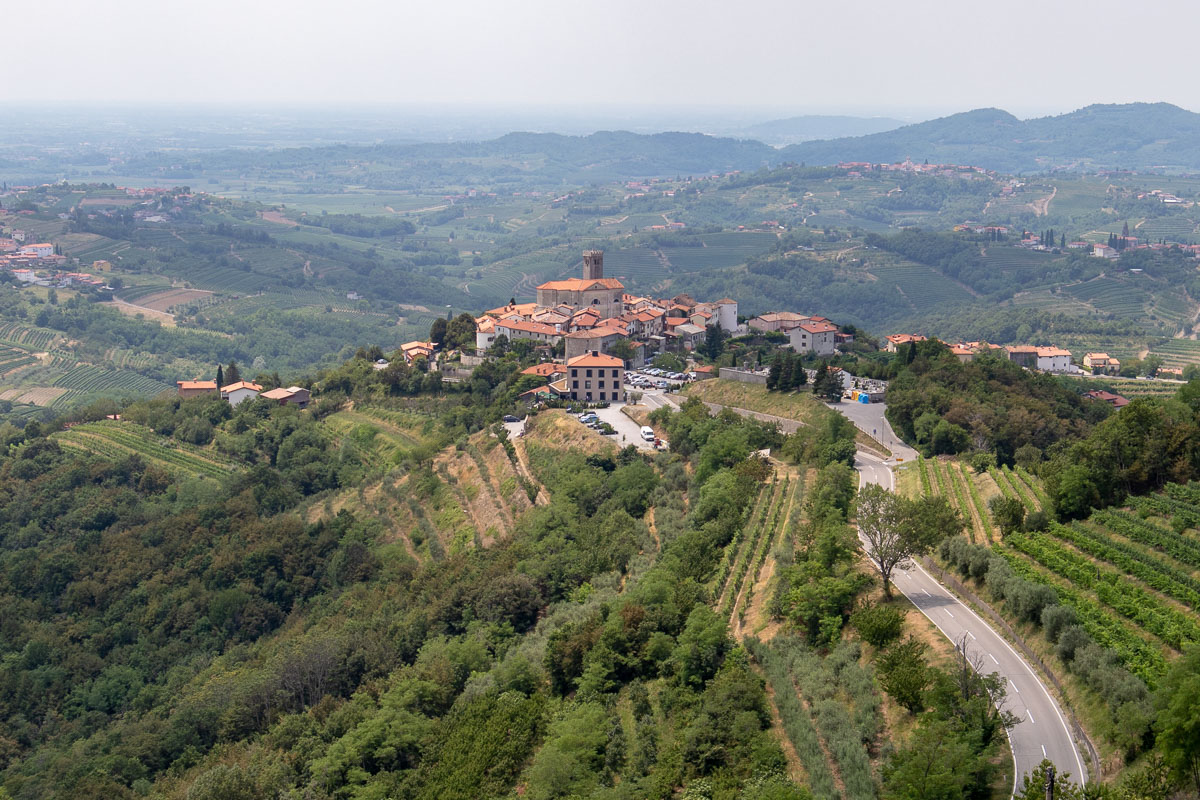
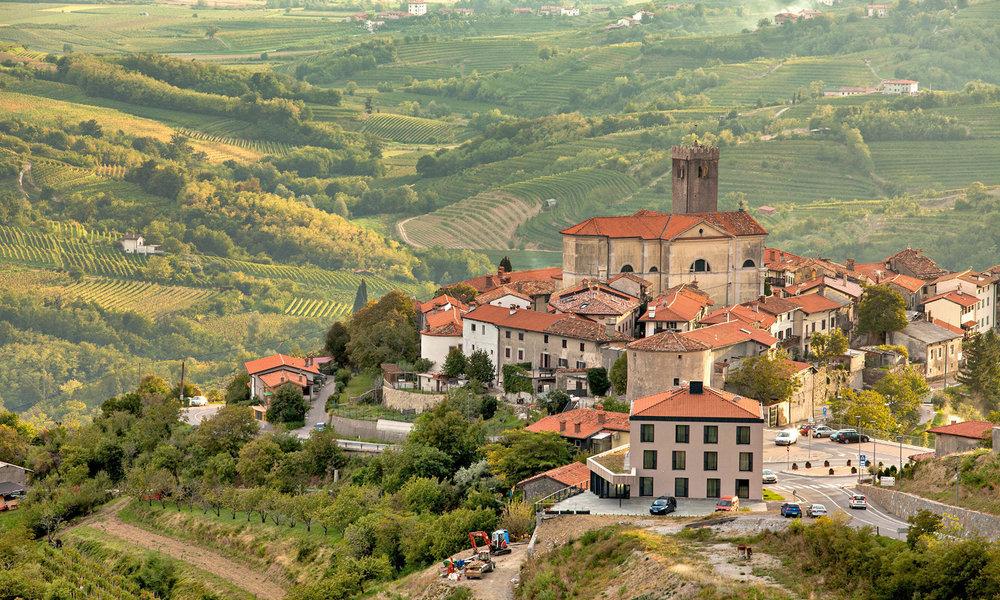
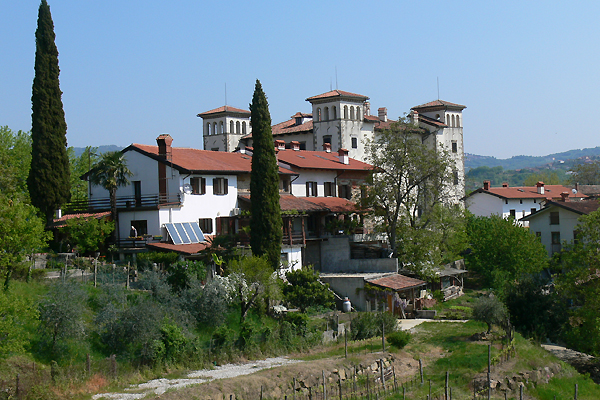
Goriška Brda is often called Slovenian Tuscany because of its scenic hills, vineyards, olive groves and medieval villages. The region is known for high-quality wines, especially white varieties such as Rebula and Tokaj.
Project Details
Room Inventory
- 20 rooms
- Area of each room: 50 m²
- Private terraces with vineyard views
- High-quality finishes using natural materials
- Individual design for each room
Restaurant and Events
- Restaurant area: 250 m²
- Seasonal menu based on local products
- Wine cellar with a selection of local wines
- Conference hall: 104 m²
- Weddings, seminars and wine tastings
Wellness and Leisure
- Wellness centre: 113 m²
- Finnish and herbal saunas
- Massage and beauty treatment rooms
- Outdoor pool with panoramic views
- Wine therapy and spa treatments
Architectural Concept
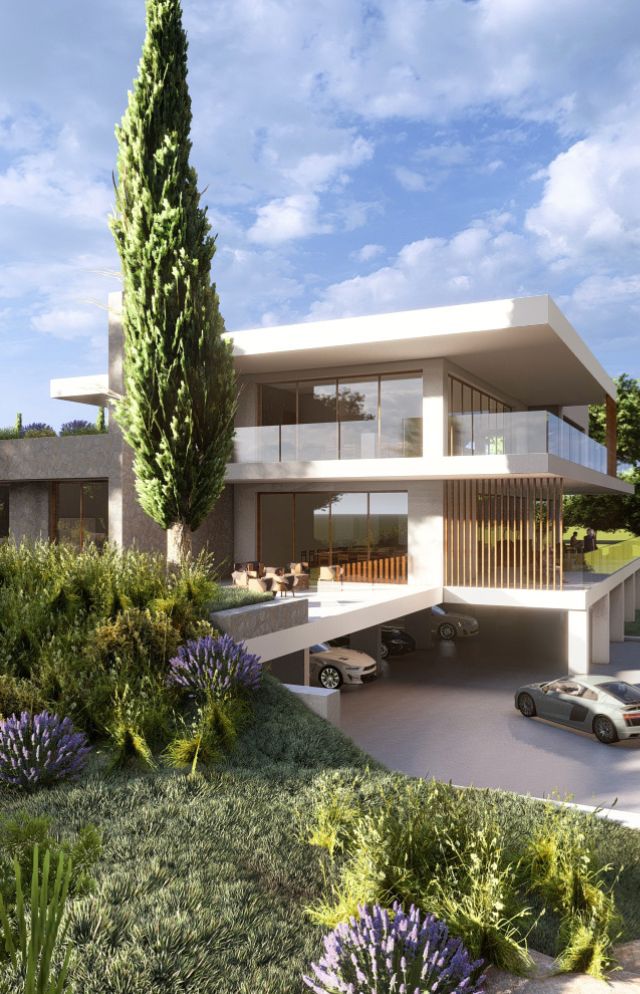
The project is designed with reference to the traditional architecture of Goriška Brda, interpreted in a contemporary way. The main focus is integration with the surrounding landscape and the use of environmentally responsible materials.
Sustainability Features:
- Solar panels for electricity generation
- Rainwater collection system for irrigation
- Heat pumps for heating and cooling
- Use of local construction materials
- Landscaping with native plant species
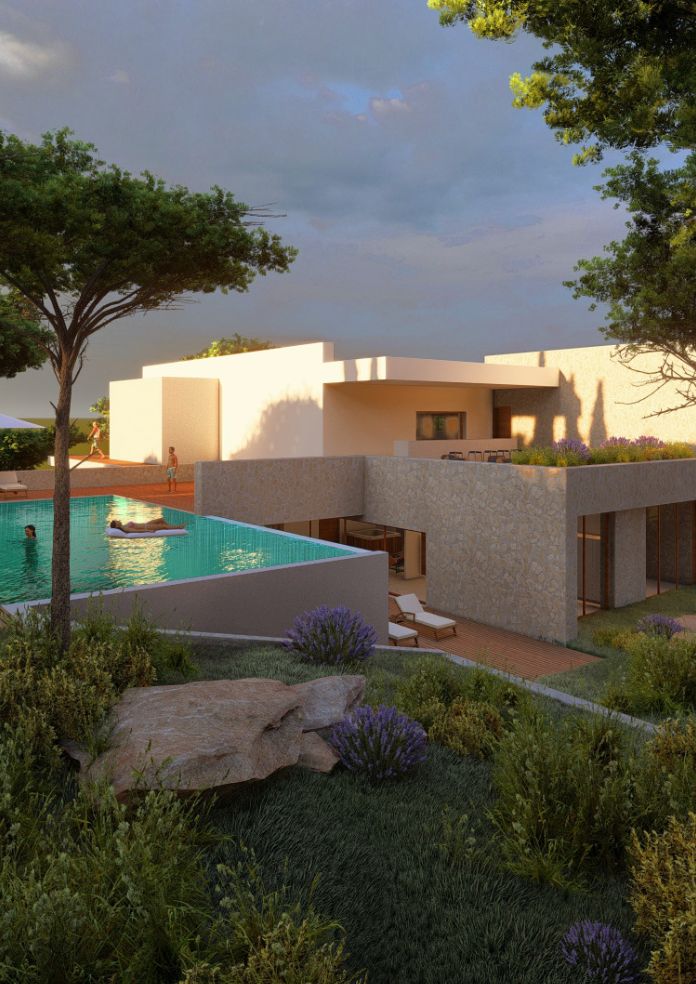
Terraces and living spaces overlooking the surrounding landscape
Site Master Plan
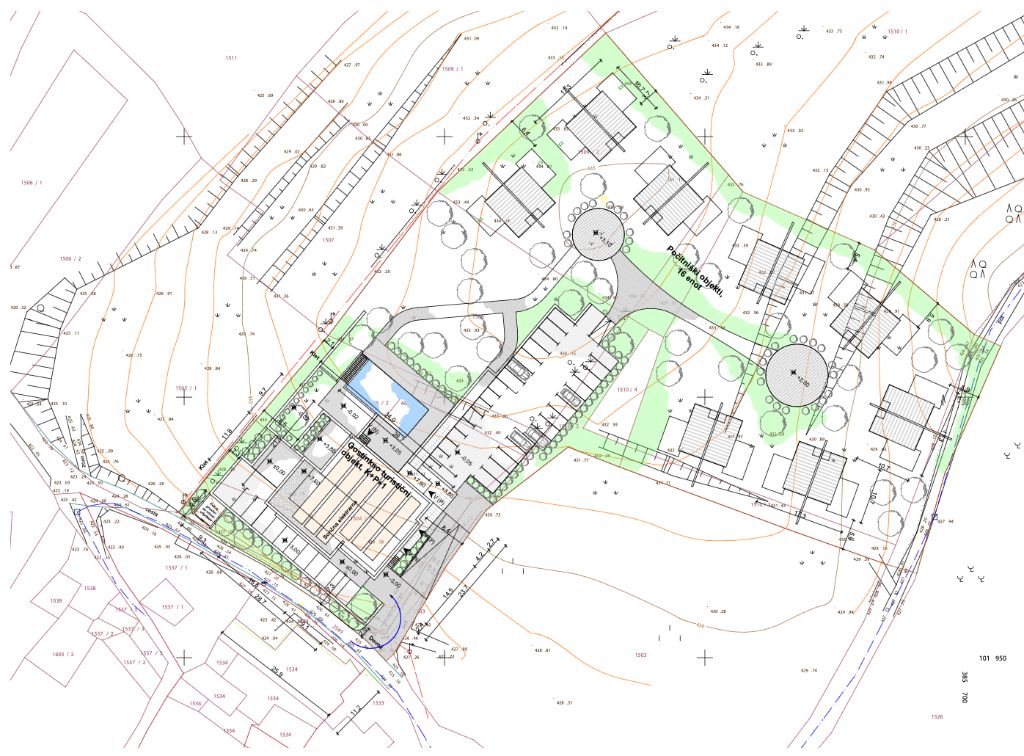
The site plan presents the architectural layout of the complex, including all buildings, park areas, paths and infrastructure. The project is designed around the natural terrain and landscape characteristics of the location.
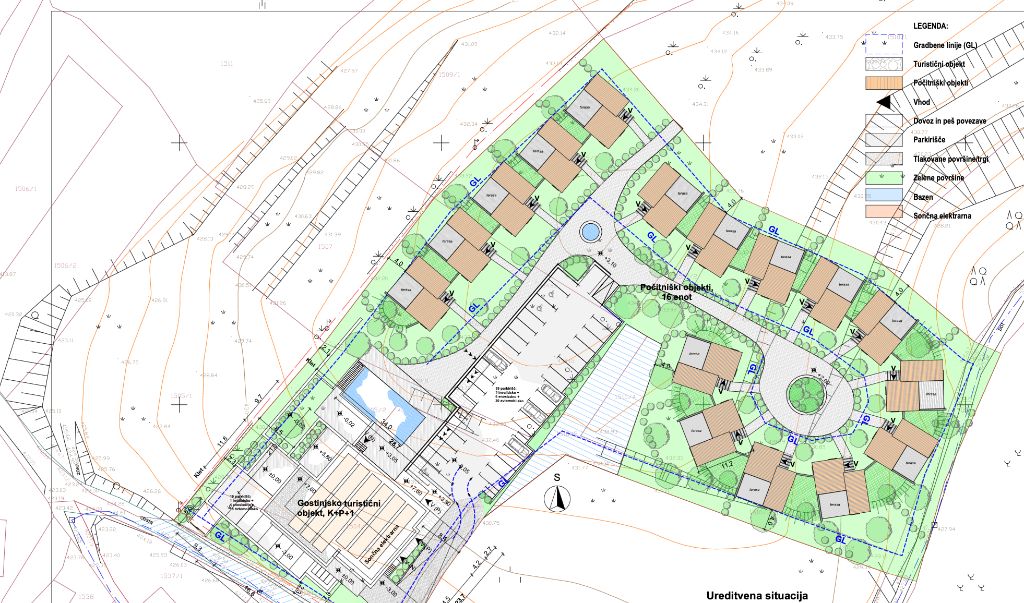
Key Elements of the Plan:
Site Zoning
The plan shows a clear division into functional zones: accommodation units, public areas such as the restaurant and conference hall, leisure areas with pool and terraces, and technical infrastructure.
Landscape Integration
The project is naturally integrated into the existing terrain. Terraces are positioned according to elevation changes, creating attractive viewpoints across the landscape.
Sustainable Design Solutions
In line with the sustainability concept, the project includes solar energy generation, extensive green areas and efficient use of natural resources.
Infrastructure
A well-planned system of access roads, parking areas and pedestrian paths ensures convenient movement across the complex while preserving privacy for guest areas.
Tourism Analytics of the Region
Tourism Flow Dynamics
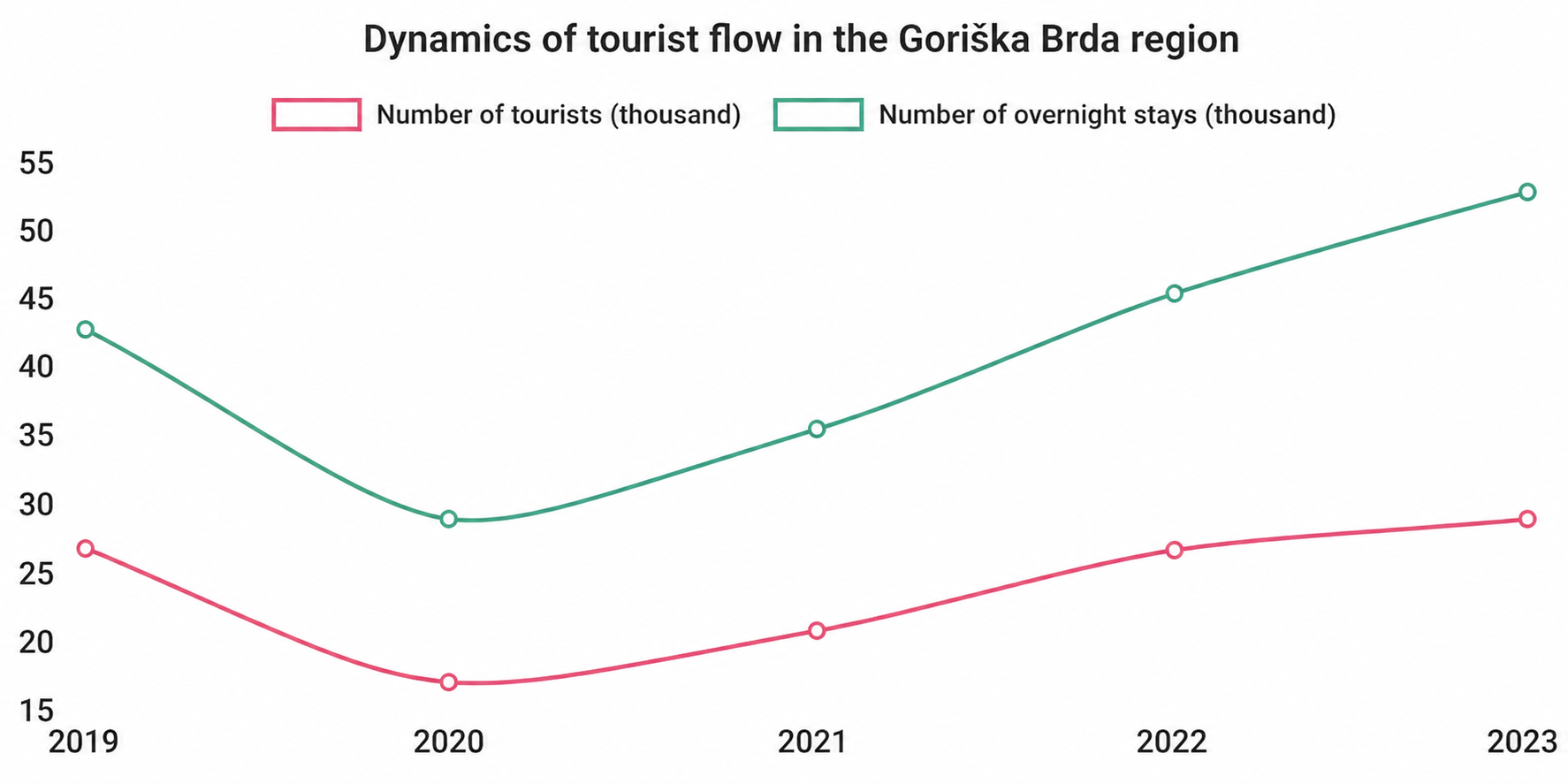
Source: Občina Brda data and the Statistical Office of the Republic of Slovenia
Tourism Seasonality
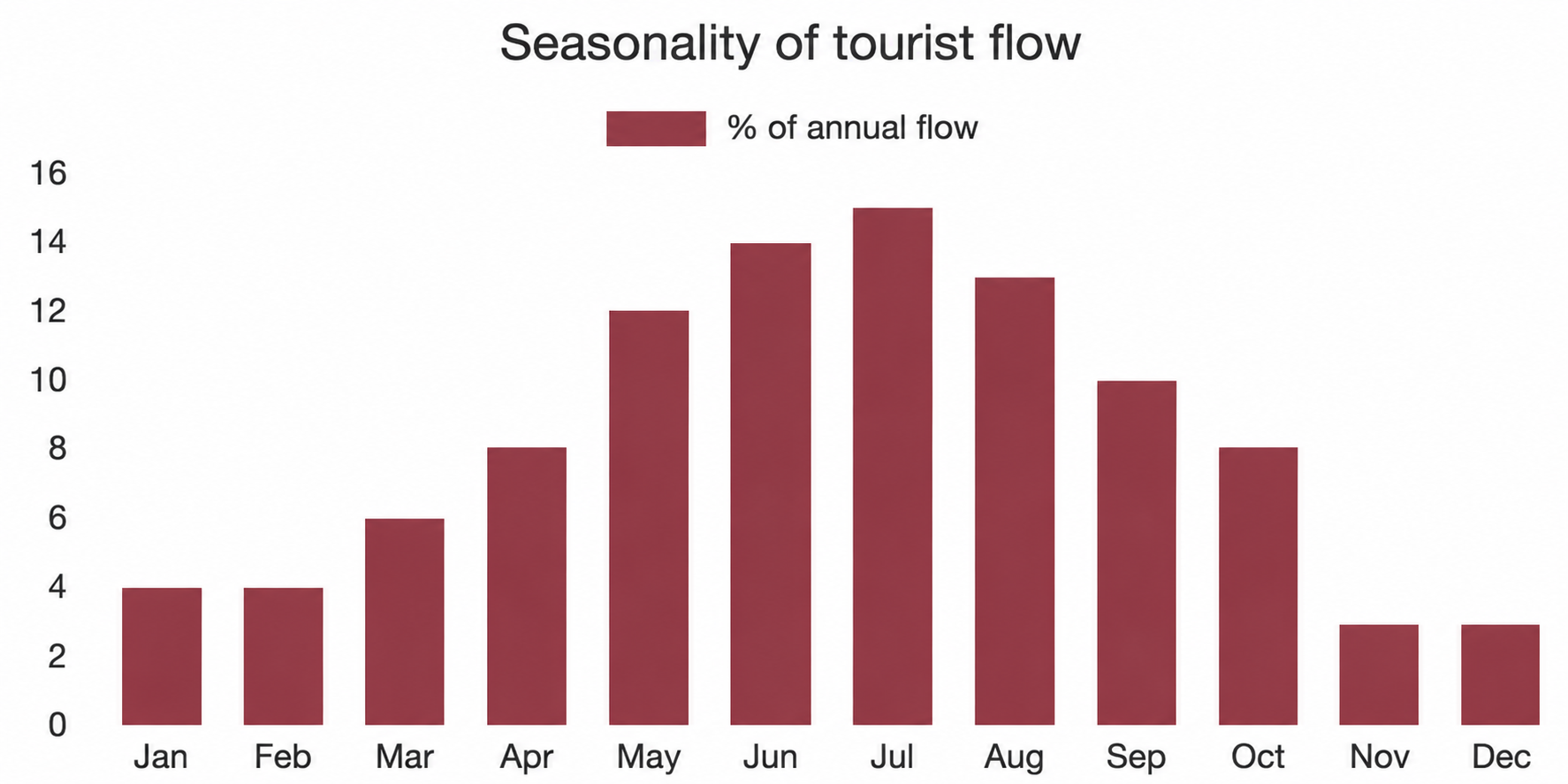
Monthly distribution of guests as a percentage of annual traffic
150 000+
tourists visit the Goriška Brda region annually
+23%
growth in overnight stays from 2019 to 2023, from 43.7 thousand to 53.7 thousand
64%
of visitors are international tourists, mainly from Italy, Germany and Austria
Key Analytics Takeaways
- Stable tourism growth in the region over the last five years, exceeding pre-pandemic levels
- Clear seasonality with a May–August peak, accounting for 50% of annual traffic, linked to cherry blossom and grape harvest periods
- Expanding visitor geography: beyond traditional markets such as Italy, Germany and Austria, arrivals from the USA, the United Kingdom and Spain are growing
- Wine tourism remains the main demand driver, while eco, wellness and gastronomic tourism are also growing
Market Opportunities
Competitive Landscape Analysis
Despite the growing popularity of Goriška Brda as a tourism destination, the supply of high-quality accommodation with additional services remains limited.
Current Market Gaps:
- Lack of full-service premium hotels; the region is dominated by small guesthouses with limited supporting infrastructure
- Limited wellness offering, which restricts year-round tourism and limits average length of stay
- Shortage of multifunctional event venues for weddings, conferences and corporate retreats
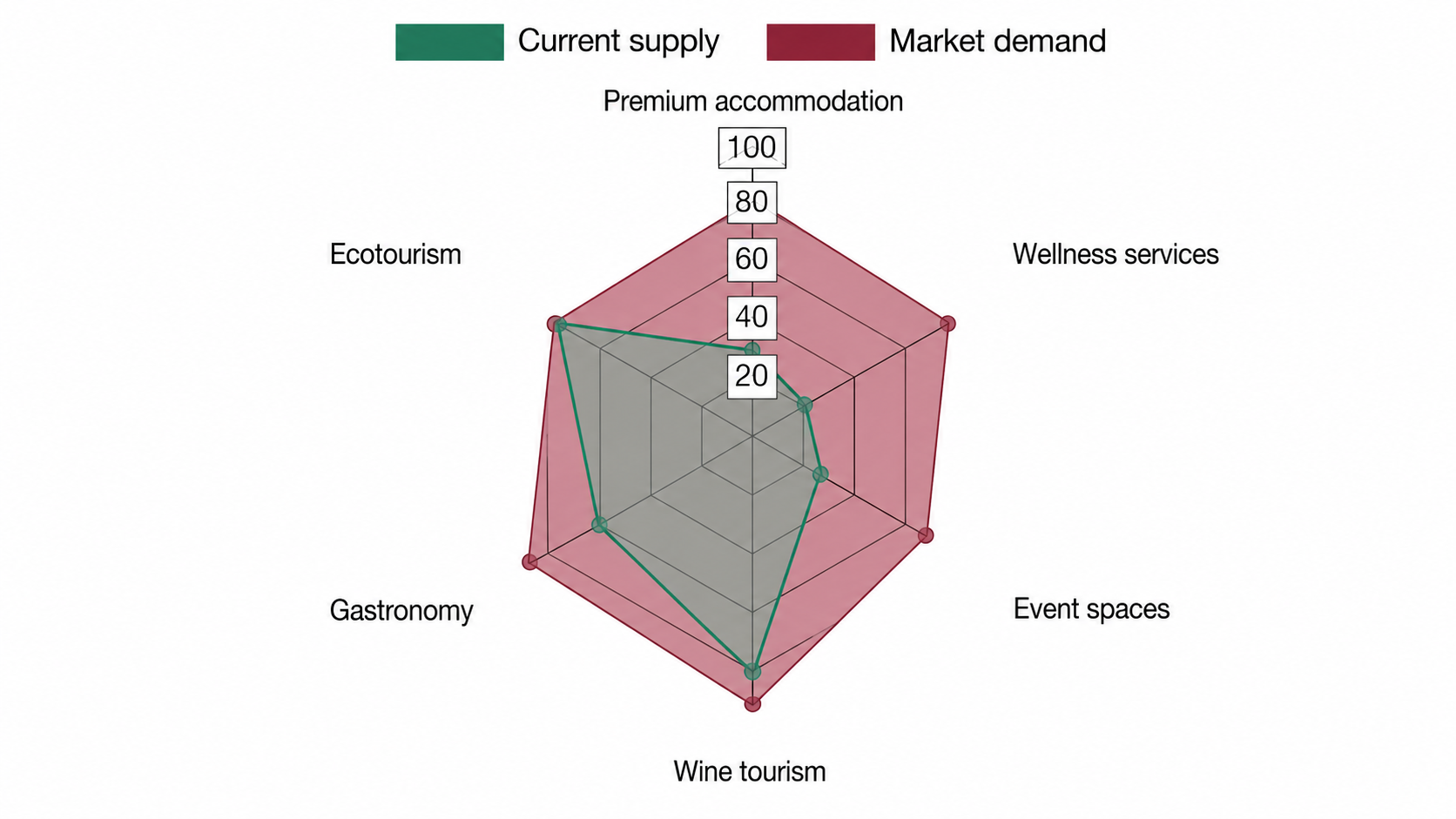
Comparison of demand and supply across key regional tourism market segments
Growing Tourism Trends in the Region:
Eco-tourism
+20% over the last 5 years
Wine tourism
+15% over the last 5 years
Wellness travel
+25% over the last 5 years
Event tourism
+18% over the last 5 years
Unique Project Niche
The project targets an underserved market niche by combining high-quality accommodation, wellness infrastructure and multifunctional event spaces.
Primary Target Audience:
Wine and Gastronomy Enthusiasts
Affluent guests interested in wine culture, gastronomy and authentic regional culinary traditions.
Wellness Travellers
Guests seeking a quiet wellness-oriented stay with spa treatments and access to nature.
Corporate Clients
Companies organising off-site events, team buildings and conferences in a distinctive natural setting.
Financial Model
Investment Structure
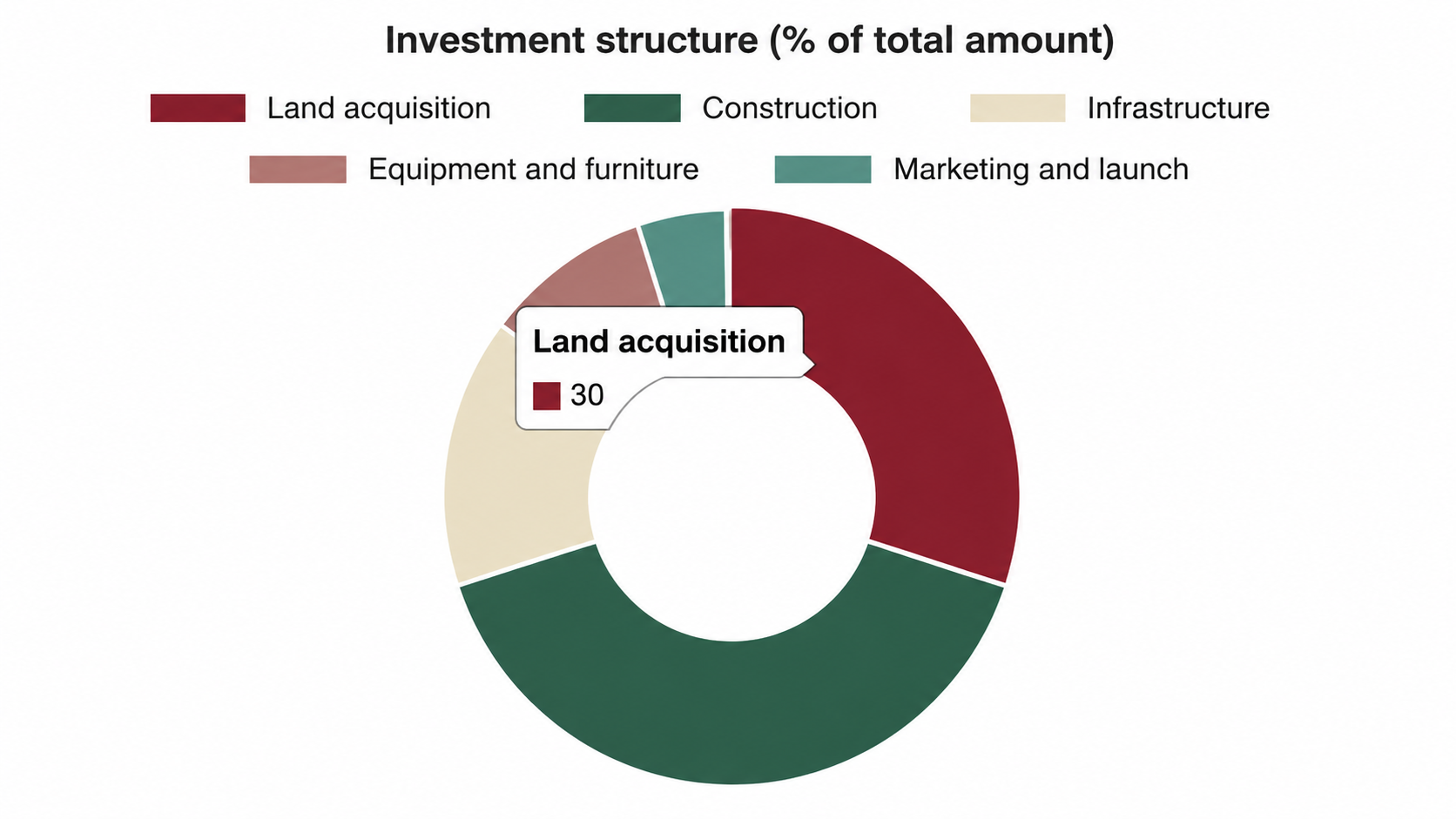
Investment allocation by category, total budget: €4–5 million
Return Forecast
| Revenue Source | Annual Revenue (€) |
|---|---|
| Rooms 20 rooms × €150 × 365 days × 70% occupancy |
766 500 € |
| Restaurant | 200 000 € |
| Events, weddings and conferences | 150 000 € |
| Wellness centre | 100 000 € |
| TOTAL annual revenue | 1 216 500 € |
Key Financial Metrics:
- Total investment: 5 000 000 €
- Annual revenue: 1 216 500 €
- Operating expenses, approx. 45%: 547 425 €
- Annual profit: 669 075 €
- ROI: ~13.4%
- Payback period: 7.5 years
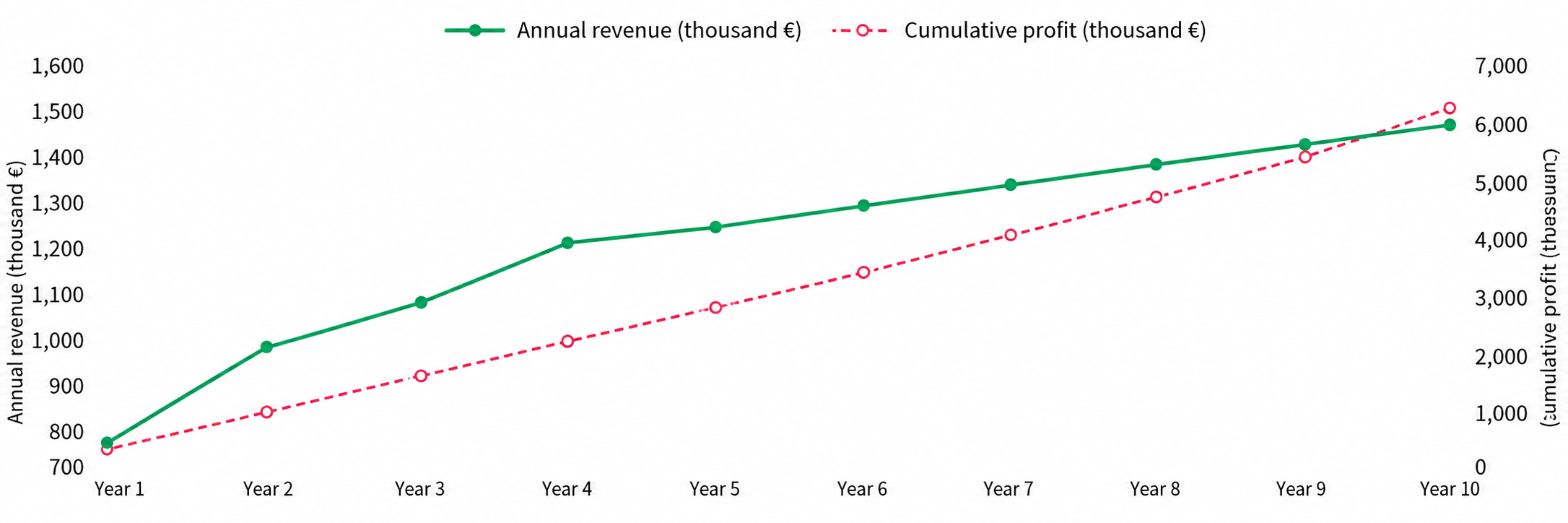
10-year revenue and investment payback forecast
Project Uniqueness
Albergo Diffuso Concept
The project is based on the albergo diffuso concept, integrating hospitality infrastructure into the natural landscape and local environment.
Concept Advantages:
- Organic integration with the natural environment and minimal impact on the landscape
- Personalised guest experience due to the limited number of rooms and their dispersed layout
- A sense of privacy and seclusion while retaining access to a full range of services
- A distinctive accommodation experience fundamentally different from standard hotels
Regional Synergy
Partnerships with Local Producers
Cooperation with leading regional wineries such as Venica & Venica, Kabaj and Movia for exclusive tastings and wine tours.
Participation in Cultural Life
Integration into the regional events calendar, including the Cherry Festival, open cellar days and other cultural events.
Eco Standards and Sustainable Development
Implementation of advanced sustainable construction and management practices, including solar energy and local materials.
Space Concept
A key feature of the project is the balance between private and public space, giving each guest both privacy and opportunities for social interaction.
Private Zones
Individual rooms with terraces, separated by green areas for maximum privacy.
Public Spaces
A central square with a restaurant, lounge area and multifunctional event spaces.
Integration with Nature
Landscape design using local plants, vineyards and olive groves as part of the guest environment.
Benefits for Investors
Potential Slovenian Citizenship Route
The investment project may provide a basis for an accelerated naturalisation route for two investors, subject to Slovenian legal requirements and official approval.
Government Support
The project may qualify for various forms of public support under Slovenian tourism development programmes.
- Grants for tourism infrastructure development, up to 30% of eligible costs
- Preferential financing through Slovenian development institutions
- Tax incentives for 4-star-plus hospitality properties, where applicable
- Grants for energy-efficient technologies
Stable Asset Value Growth
Real estate investments in western Slovenia have shown stable growth in recent years. Commercial properties in tourist regions can benefit from annual value appreciation of 4-6%, depending on asset quality and market conditions.
EU Jurisdiction and Stability
Slovenia is a member of the EU and the eurozone, providing a stable legal and financial environment for investment.
- Property rights protected under EU standards
- Transparent taxation framework
- No currency risk for euro-denominated investors
- Strong investment attractiveness profile
Investment Phase
Land acquisition, permitting, project design and construction preparation
1-12 months
Construction
Construction of guest rooms, restaurant, wellness centre and infrastructure
12-24 months
Launch and Start of Operations
Opening of the complex, team formation and start of operations
24-30 months
Operating Profitability
Reaching target occupancy and profitability indicators
30-42 months
Risk Mitigation
Potential Risks and Mitigation Measures
Demand Seasonality
Risk: Uneven distribution of tourist demand throughout the year.
Mitigation:
- Development of low-season offers such as wine tours and wellness packages
- Focus on corporate clients from November to April: seminars, retreats and off-site events
- Organisation of themed events such as Christmas markets and festivals
- Dynamic pricing depending on seasonality
Competition
Risk: New accommodation properties appearing in the region.
Mitigation:
- Unique positioning as a boutique resort for wine and art lovers
- Development of exclusive partnerships with local wineries
- High level of personalised service
- Active marketing in target markets: Italy, Germany, Austria and the United Kingdom
Operational Risks
Risk: Difficulties in hiring qualified staff and maintaining operational efficiency.
Mitigation:
- Partnership with a professional management company
- Cooperation with regional educational institutions for staff recruitment
- Implementation of modern hotel management systems (PMS)
- Regular staff training and professional development
External Factors
Risk: Changes in legislation, economic downturns or force majeure events.
Mitigation:
- Insurance against key project risks
- Legal due diligence and project legal support
- Diversification of revenue streams: accommodation, restaurant and events
- Creation of a financial reserve for unforeseen situations
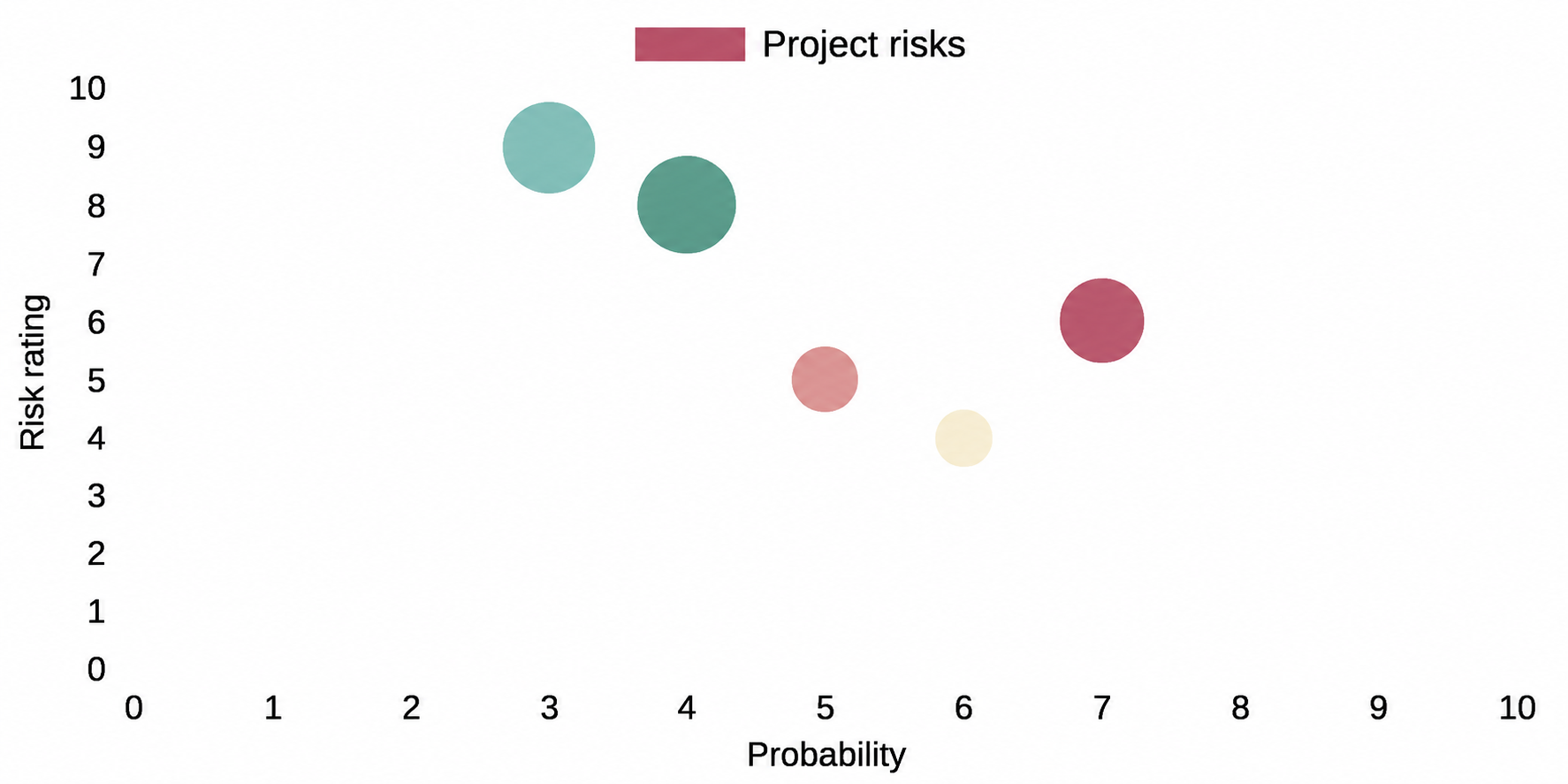
Risk matrix: probability vs potential impact
Sustainable Development Strategy
The project is designed from the outset with a long-term and sustainable development perspective.
Environmental Sustainability
- Use of renewable energy sources
- Reduced water consumption and waste recycling
- Organic products for the restaurant
Economic Sustainability
- Diversification of revenue streams
- Continuous improvement of guest offerings
- Flexible pricing policy
Social Sustainability
- Job creation for the local population
- Partnerships with local suppliers
- Support for regional cultural initiatives
Regional Cultural Attractions
Dobrovo Castle
One of Slovenia’s best-preserved castles, built in the 16th century. Today it houses a museum and wine cellar where visitors can taste regional wines. Distance from the project: 5 km.
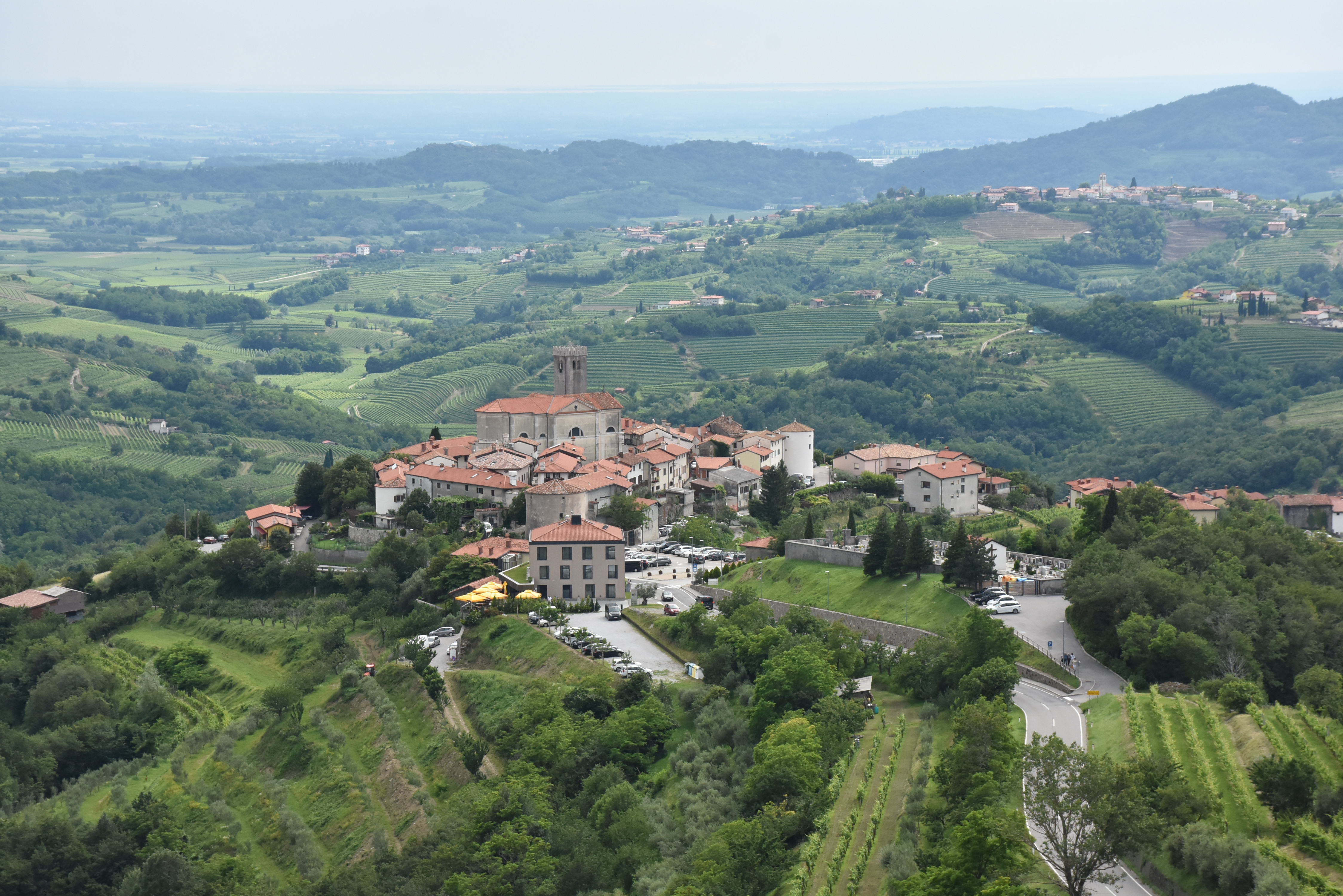
Šmartno Village
A medieval village with narrow streets and a well-preserved historic centre. Šmartno regularly hosts contemporary art exhibitions and cultural events. Distance from the project: 3 km.
Wine Routes
The region is known for its wine routes, which pass through scenic hills and vineyards. Visitors can discover the winemaking process and taste local varieties, including the well-known white wines Rebula and Tokaj.
Church of St. Andrew
A 15th-century church with unique frescoes considered among the best preserved in Slovenia. It is located on a scenic hill with panoramic views of the surrounding area.
Festivals and Events
The region hosts numerous cultural events, including the Cherry Festival in May-June, Open Cellar Days in November, and various music and gastronomic festivals throughout the year.
Integration of Cultural Heritage into the Project
The project includes active interaction with the region’s cultural heritage and integrates it into the guest experience:
Guided Tours
Regular guided tours of regional cultural attractions with professional guides, including specialised wine and gastronomic tours.
Cultural Programme
Small cultural events on the property, including chamber concerts, literary evenings and exhibitions by local artists.
Workshops and Tastings
Workshops in cooking, winemaking and traditional crafts involving local artisans and experts.
Architectural Elements
Integration of traditional Goriška Brda architectural elements into the complex design, with the use of local materials and construction techniques.
Conclusion
Key Project Advantages
-
Unique Location
The scenic Goriška Brda region combines growing tourist demand with developed infrastructure.
-
Innovative Concept
A distributed hotel concept combining private accommodation with a full range of premium services.
-
Strong Yield Potential
ROI of around 10%, with long-term asset appreciation potential.
-
Potential Naturalisation Route
Potential accelerated Slovenian citizenship route for two project investors, subject to legal requirements.
-
Sustainable Development
An environmentally responsible project focused on integration with the local community and culture.
Outlook and Development
The Goriška Brda tourist complex is not only an attractive investment opportunity with strong income potential, but also a chance to become part of a dynamically developing region with rich cultural and winemaking traditions.
The unique combination of natural, cultural and infrastructure advantages creates a solid basis for long-term project success and stable investment returns.
Contact Information
Company: MIRAG INVEST D.O.O.
Phone: +38664177151
Email: [email protected]
For a personal meeting and site visit: By prior arrangement